25 Best Things to Do in Nashville, Tennessee (With Prices)
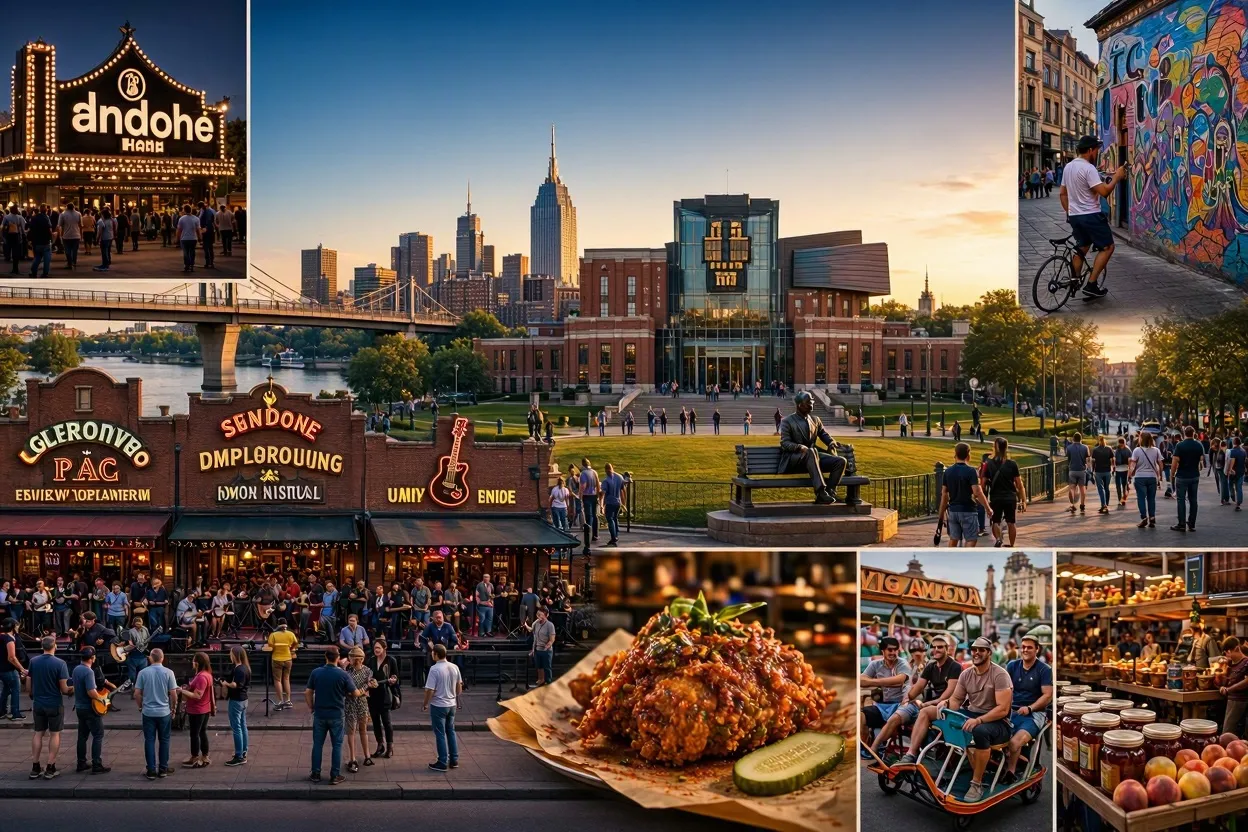
Quick answer: The top things to do in Nashville are a show at the Ryman Auditorium, a night at the Grand Ole Opry, a walk down the free-cover honky-tonks of Lower Broadway and a few hours at the Country Music Hall of Fame and Museum (CMHOF). Past the music, the city rewards anyone who leaves downtown. You’ll find a full-scale Parthenon in Centennial Park and 6 miles (10 km) of lakeside trails at Radnor Lake. Hot chicken comes in every heat level, from plain to painful.
This guide ranks 25 experiences with October 2026 prices, opening hours and the time each one takes. It covers the questions most lists skip, such as when Broadway bars switch to 21+ and how to get a seat at the Bluebird Cafe. Three days is enough for a first visit. Two is tight.
What Are Some Things to Do in Nashville, Tennessee?
Nashville’s highest-value stops are its music venues and two green escapes within 10 miles (16 km) of downtown. Prices below are adult rates as of October 2026, before booking fees.
| Attraction | Area | Adult price | Time needed |
| Ryman Auditorium self-guided tour | Downtown | $36 | 1 to 2 hours |
| Grand Ole Opry show | Opryland | $49 to $70 (standard seats) | 2 hours plus travel |
| Lower Broadway honky-tonks | Downtown | Free, no cover | 2 to 4 hours |
| Country Music Hall of Fame and Museum | SoBro | $31.95 (ages 13+) | 1.5 to 2 hours |
| Johnny Cash Museum | Downtown | $27.95 plus tax | 1 to 2 hours |
| Bluebird Cafe | Green Hills | Cover plus $15 per-seat minimum | 2 hours |
| Tennessee State Museum | Germantown edge | Free | 1.5 hours |
| Andrew Jackson’s Hermitage | Hermitage, 10 mi (16 km) east | $27.95 with audio guide | 3 hours |
| Cheekwood Estate and Gardens | West Nashville | $21 to $29 (date-based) | 2 to 3 hours |
| Radnor Lake State Park | Oak Hill, 8 mi (13 km) south | Free | 1 to 3 hours |
Must-See Things to Do in Nashville for Music Lovers
Music is the reason most people come, and Nashville offers it at every budget, from free honky-tonk sets to $100 Opry seats. The 8 picks below run from country and bluegrass to the Black musical traditions that shaped both.
1. See a Show at the Ryman Auditorium
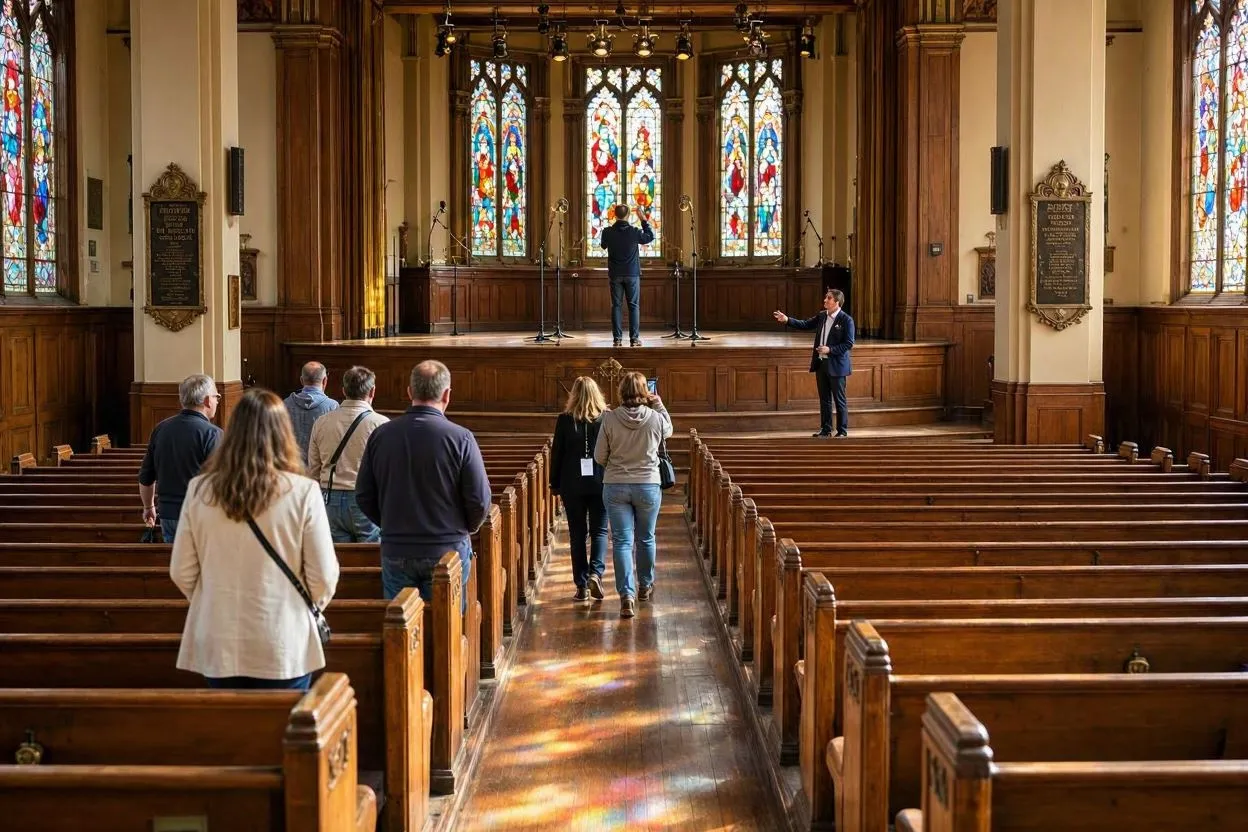
A concert at the Ryman Auditorium is the single best music experience in Nashville, and the daytime tour fills the gap if no show fits your dates. Built in 1892 as a gospel tabernacle, the 2,362-seat hall housed the Grand Ole Opry from 1943 to 1974. Its wooden pews and stained glass make even a comedy set feel like an event. Self-guided tours run daily from 9 a.m. to 4 p.m. for $36 and finish with a photo on the stage itself.
After the encore, walk the alley behind the building to Tootsie’s Orchid Lounge. Opry performers made that trip between sets for decades. Willie Nelson sang about those “17 steps,” and you’ll see footprints set into the pavement marking the route.
2. Catch the Grand Ole Opry
The Grand Ole Opry is worth one evening of any Nashville trip, even if country isn’t your usual genre. It’s a 2-hour live radio broadcast with at least 7 artists per night, so a Hall of Famer can share the bill with someone booked for the first time. Shows run Tuesday, Friday and Saturday, with extra nights added in busy months. Standard seats cost $49 to $70 before fees, and Saturday shows sell out weeks ahead.
The Opry House sits at 2804 Opryland Drive, about 10 miles (16 km) from Broadway. Thousands of people call rideshares at the same moment when the show ends. Skip that scrum by walking to Opry Mills for a drink or riding the free shuttle to Gaylord Opryland Resort. The post-show backstage tour (from $111) works too, since traffic clears while you’re inside.
3. Walk the Honky-Tonks of Lower Broadway
Lower Broadway’s honky-tonks charge no cover and run live bands from late morning until 3 a.m., so the cheapest night in Nashville is also one of its best. Bands play for tips, so a few dollars in the bucket is how you request a song. Not every bar on the strip plays country, though. Celebrity-owned spots like Ole Red and Friends in Low Places lean toward rock covers and big rooftop crowds.
For traditional honky-tonk sound, head to Robert’s Western World, a former Sho-Bud guitar shop famous for its cheap Recession Special. Tootsie’s Orchid Lounge, open since 1960, and Legends Corner keep the same old-school feel. Weekday afternoons get you a seat near the stage. Friday nights don’t.
4. Tour the Country Music Hall of Fame and RCA Studio B
Give the Country Music Hall of Fame and Museum at least 2 hours, and add RCA Studio B if you have 3. Admission costs $31.95 for ages 13 and up and $21.95 for ages 6 to 12, while children 5 and under enter free. The museum opens daily from 9 a.m. to 5 p.m. at 222 Rep. John Lewis Way South.
Studio B is the bonus most visitors miss. Elvis Presley recorded more than 250 songs in that room, and the guided tour, which leaves from the museum by shuttle, lets you sit at the Steinway piano he played. On the way out, stop at Hatch Show Print, the letterpress shop that has printed concert posters in Nashville since 1879.
5. Visit the Johnny Cash Museum
The Johnny Cash Museum holds the world’s largest collection of Cash artifacts in a space you can cover in about 90 minutes. Tickets cost $27.95 plus tax, and the doors open daily from 9 a.m. to 7 p.m., one block off Broadway at 119 Third Avenue South. Stage costumes and handwritten lyrics fill the galleries. The Patsy Cline Museum sits directly upstairs. Go at 9 a.m. on a weekday, before the Broadway crowd wakes up.
6. Hear a Songwriter Round at the Bluebird Cafe
Reserve the Bluebird Cafe online about a week ahead, because the room holds fewer than 100 people. Opened in 1982 in a Green Hills strip mall, it helped launch Garth Brooks and Taylor Swift. Four writers sit “in the round” and trade the stories behind songs you already know. Most nights have an early show at 6 p.m. and a late show at 9 p.m.
Every reservation carries a $15 per-seat food or drink minimum on top of the cover. It’s a listening room, and staff will hush loud talkers. Sold out? A short walk-in line forms before each show for the few unreserved seats.
7. Hear Bluegrass at the Station Inn
The Station Inn is where to hear bluegrass instead of country, in a low-slung room that has survived The Gulch’s tower boom around it. Banjo and fiddle players fill a no-frills stage most nights. Pair it with dinner in The Gulch and you’ve built a full evening a block from your hotel.
8. Explore the National Museum of African American Music
The National Museum of African American Music (NMAAM) shows how gospel, blues, jazz and hip-hop grew from shared roots, and it needs about 90 minutes. It sits inside Fifth + Broadway, across from the Ryman. Interactive booths let you produce a beat or sing with a virtual gospel choir. Kids rarely want to leave. Want to hear the blues live after your visit? See our guide to things to do in Chicago, where the sound went electric.
History and Culture Things to Do in Nashville
Nashville’s history runs from the 1897 Centennial Exposition to the 1960 lunch-counter sit-ins, and 5 sites tell that story well. Two of them are free.
9. Visit the Tennessee State Museum and Bicentennial Capitol Mall
The Tennessee State Museum is the best free attraction in Nashville, and a state park sits right outside its doors. Three floors trace the state from its first peoples to one of Dolly Parton’s stage costumes. Families get the Children’s Gallery, a hands-on space built for ages 3 to 8. Parking here is far easier than downtown.
Walk out the front entrance into Bicentennial Capitol Mall State Park. Its 11 acres (4.5 ha) hold a 0.9-mile (1.4 km) path lined with markers covering 200 years of Tennessee history, with the State Capitol on the hill above.
10. See the Parthenon in Centennial Park
Nashville’s Parthenon is a full-scale replica of the Athens original, and it houses a 42-foot (13 m) gilded Athena that ranks as the largest indoor sculpture in the Western world. The city built it for the 1897 Tennessee Centennial Exposition, then rebuilt it in concrete by 1931. A gallery downstairs shows 63 paintings by American artists. Admission covers the building, while the 132-acre (53 ha) park around it stays free. It’s about 2 miles (3.2 km) west of downtown and open Tuesday through Sunday.
11. Tour Andrew Jackson’s Hermitage
Andrew Jackson’s Hermitage needs half a day, about 10 miles (16 km) east of downtown. The 1,120-acre (453 ha) National Historic Landmark holds the seventh president’s Greek Revival mansion along with more than 20 outbuildings. Exhibits cover the enslaved people who worked the land, not only the Jackson family. Grounds admission with the audio guide costs $27.95. Bring lunch, since picnic tables sit near the visitor center.
12. Learn the Full Story at Belle Meade
Belle Meade Historic Site and Winery tells plantation history honestly, including the lives of the enslaved people who built its wealth. The estate became famous for thoroughbred horses, and guides tie that fame to the labor behind it. The guided mansion tour ends with a wine tasting for about $33. Cheekwood sits a short drive away, so pair the two on one west-side afternoon.
13. Browse the Frist Art Museum
The Frist Art Museum changes its main exhibitions every few months, so repeat visitors always find something new. It occupies a 1934 Art Deco former post office at 919 Broadway. Upstairs, Martin ArtQuest lets kids and adults make art at stations tied to the current show. Visitors 18 and under get in free. Afterward, walk next door for a cocktail under the stained-glass ceiling of the Union Station Hotel lobby.
Outdoor Things to Do in Nashville
Nashville has more green space than its neon reputation suggests, and 3 outdoor spots give the biggest payoff for your time. All three work as a break between music-heavy days.
14. Cross the John Seigenthaler Pedestrian Bridge
Walk the John Seigenthaler Pedestrian Bridge at sunset for the best free skyline view in Nashville. The truss bridge spans 3,150 feet (960 m) over the Cumberland River, linking Second Avenue downtown with Cumberland Park in East Nashville. Crossing takes about 15 minutes at an easy pace. Stop at the midpoint, where the downtown towers line up behind the river.
15. Hike Radnor Lake State Park
Radnor Lake State Park is the closest true nature escape, 8 miles (13 km) south of downtown and free to enter. Its 1,368 acres (554 ha) wrap around an 85-acre (34 ha) lake, with more than 6 miles (10 km) of trails. The flat Lake Trail runs 1.35 miles (2.2 km) and is ADA accessible. Hikers who want a climb take Ganier Ridge instead.
Gates open at 6 a.m. and close 20 minutes after sunset. Dogs and bikes stay on Otter Creek Road only, which keeps the main trails quiet enough to spot herons and the occasional river otter. Weekend lots fill by mid-morning, so arrive early.
16. Wander Cheekwood Estate and Gardens
Cheekwood Estate and Gardens spreads 55 acres (22 ha) of gardens around a 1930s mansion, and autumn is its strongest season. Cheekwood Harvest runs through November 1, 2026, with 100,000 pumpkins and a new Marigold River of more than 2,500 blooms. On Thursdays through October 29, Harvest NIGHTS keeps the gardens open from 5 to 9 p.m. with live music and food trucks.
Adult tickets cost $21 to $29 depending on the date, and youth tickets run $14 to $22. Every visitor needs a timed-entry ticket booked online. Parking adds $5, and the mansion add-on adds $6.
Where to Eat in Nashville
Hot chicken and the meat-and-three plate are the two dishes Nashville can claim as its own, and both are cheap. Four food stops below cover the essentials.
17. Eat Hot Chicken at Prince’s or Hattie B’s
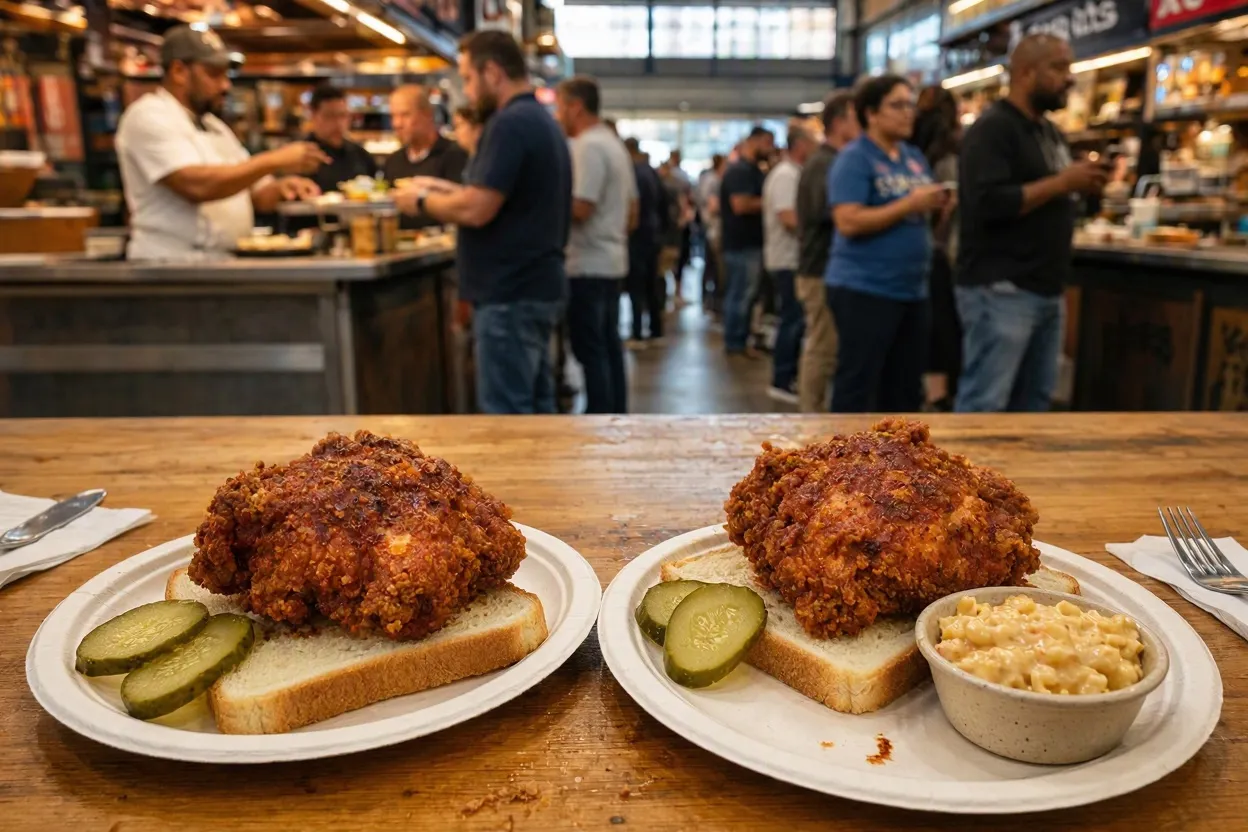
Order hot chicken one level below your comfort zone, because Nashville’s “medium” runs hotter than most chains’ “hot.” Prince’s Hot Chicken Shack is credited with starting the dish, and it now has a stall inside Assembly Food Hall. Hattie B’s draws long lines that move faster than they look. Its pimento mac and cheese earns the wait. Every plate comes on white bread with pickles to cut the burn.
18. Order a Meat-and-Three Lunch
A meat-and-three is a cafeteria-line plate of one main and three Southern sides, and it’s the lunch locals actually eat. Think fried chicken or roast beef alongside sides like mac and cheese or fried okra. Lines form near noon on weekdays. Check hours before you go, since many of these counters serve lunch only.
19. Drive Out for Biscuits at the Loveless Cafe
The Loveless Cafe serves scratch biscuits worth the 25-minute drive southwest of downtown. It sits on Highway 100 near the northern end of the Natchez Trace Parkway. Order the biscuits with country ham and preserves. Get there before 9 a.m. on weekends or plan to browse the gift shops while you wait.
20. Graze the Farmers’ Market and Assembly Food Hall
For groups that can’t agree on dinner, Nashville’s 2 food halls settle the argument. The Nashville Farmers’ Market opens daily next to Bicentennial Capitol Mall, with more than 20 restaurants in its Market House and a 24,000-square-foot (2,230 m²) garden center. Downtown, Assembly Food Hall at Fifth + Broadway packs 30-plus vendors under one roof, plus bars pouring local beer.
Nashville Neighborhoods Worth a Half Day
Four neighborhoods outside the Broadway core reward a half day each: The Gulch, 12 South, East Nashville and Germantown. Each has a different pace, and none requires a car from downtown.
21. The Gulch
The Gulch is Nashville’s polished, walkable district, 15 minutes on foot from Broadway. Former rail yards now hold glassy high-rises and brunch spots like Biscuit Love. Expect a line at Kelsey Montague’s “What Lifts You” wings mural, the city’s most photographed wall.
22. 12 South
12 South is the best street for murals and shopping in one stroll. Adrien Saporiti’s “I Believe in Nashville” mural anchors the strip near Reese Witherspoon’s Draper James flagship. Look behind Frothy Monkey for the quieter “Nashville Looks Good on You” mural. Five Daughters Bakery sells its 100-layer donut a few doors down.
23. East Nashville
East Nashville feels most like the city locals live in, just across the river from downtown. Dig through vinyl at Grimey’s New and Preloved Music, then eat a fried bologna sandwich at Turkey and the Wolf Icehouse. Independent shops like The Bookshop and Gift Horse fill the side streets.
24. Germantown
Germantown pairs restored 1800s brick homes with some of Nashville’s best restaurants. Little Hats Italian Market handles lunch, with free customer parking. Geist serves dinner and Champagne inside a converted 1900s blacksmith shop. The Farmers’ Market and the State Museum sit a short walk south.
Best Day Trip From Nashville
25. Spend a Day in Franklin or at the Jack Daniel’s Distillery
Franklin, about 20 miles (32 km) south, makes the easiest half-day trip from Nashville, and the Jack Daniel’s Distillery fills a full day. Franklin’s Main Street mixes boutiques with Civil War history from the 1864 Battle of Franklin. Its Pumpkinfest street party runs on October 24, 2026. Jack Daniel’s day tours pick up downtown around 9 a.m. and wind through back roads to Lynchburg. Guests must be 21 or older for the whiskey tasting. Wine drinkers can head to Arrington Vineyards instead, 25 miles (40 km) south, where bands play on summer weekends. Driving in from out of state? Our travel cost calculator estimates gas, tolls and lodging before you go.
Free Things to Do in Nashville
A full day in Nashville can cost nothing but food, because the honky-tonks charge no cover and the state’s biggest history museum is free. These 8 free things to do in Nashville fill a day without a ticket:
- Hear live bands on Lower Broadway with no cover charge
- Tour the Tennessee State Museum’s 3 floors
- Walk the 0.9-mile (1.4 km) history path at Bicentennial Capitol Mall State Park
- Hike more than 6 miles (10 km) of trails at Radnor Lake
- Cross the 3,150-foot (960 m) John Seigenthaler Pedestrian Bridge
- Photograph the “What Lifts You” and “I Believe in Nashville” murals
- Picnic on the lawn around the Parthenon in Centennial Park
- Visit the Civil Rights Room at the Nashville Public Library’s Main Library
Things to Do in Nashville With Kids
The Main Library downtown is the most underrated stop for kids, with a puppet theater and an indoor climbing wall that cost nothing. Its children’s floor holds thousands of books and weekly storytimes. Younger kids get a second free option at the Tennessee State Museum’s Children’s Gallery, built for ages 3 to 8.
Paid stops have family discounts too. Children 5 and under enter the Country Music Hall of Fame free, and the Frist Art Museum admits everyone 18 and under at no charge. Through November 1, 2026, Boo at the Zoo turns the Nashville Zoo at Grassmere into a trick-or-treat trail. Honky-tonks welcome kids in daylight hours if an adult stays with them.
Can You Go to Broadway Honky-Tonks If You’re Under 21?
Yes, under-21 visitors can enter most Broadway honky-tonks during the day, but most bars switch to 21+ at 6 p.m. Robert’s Western World and Honky Tonk Central both go 21+ at 6 p.m. Friends in Low Places keeps its first 2 floors open to all ages until 8 p.m., while its Oasis rooftop stays 21+ at all times.
Times shift during special events, so read the sign at the door. Tennessee law bars anyone under 21 from drinking, even with a parent’s permission. For a night out after 6 p.m., the Bluebird Cafe and the Ryman both admit all ages.
How to Get Around Nashville
Walking covers downtown, and rideshares or WeGo Public Transit (WeGo) buses handle the rest. Lower Broadway, SoBro and The Gulch sit within a 15-minute walk of each other. A single WeGo bus ride costs $2, and a day pass costs $4. Route 18 links downtown with Nashville International Airport (BNA) every 30 minutes from 6 a.m. to 6 p.m.
Rent a car only for the outer stops, such as Radnor Lake, the Hermitage, the Loveless Cafe and Franklin. Downtown garages charge premium rates on event nights. BNA’s own lots start at $24 per day, so skip the rental for a downtown-only trip.
How Many Days Do You Need in Nashville?
Three days covers the essentials: one downtown, one in the neighborhoods and one built around the Opry. Use this plan as a starting point and cut Day 2 for a 2-day trip.
| Day | Morning | Afternoon | Evening |
| Day 1 | Johnny Cash Museum at 9 a.m. | Country Music Hall of Fame and RCA Studio B | Ryman show or Lower Broadway honky-tonks |
| Day 2 | Tennessee State Museum, then lunch at the Farmers’ Market | Germantown, then The Gulch murals | Bluebird Cafe early show |
| Day 3 | Radnor Lake hike | Loveless Cafe lunch or Cheekwood | Grand Ole Opry |
One day only? Do Day 1 and cross the pedestrian bridge at sunset between the museum and the bars.
When Is the Best Time to Visit Nashville?
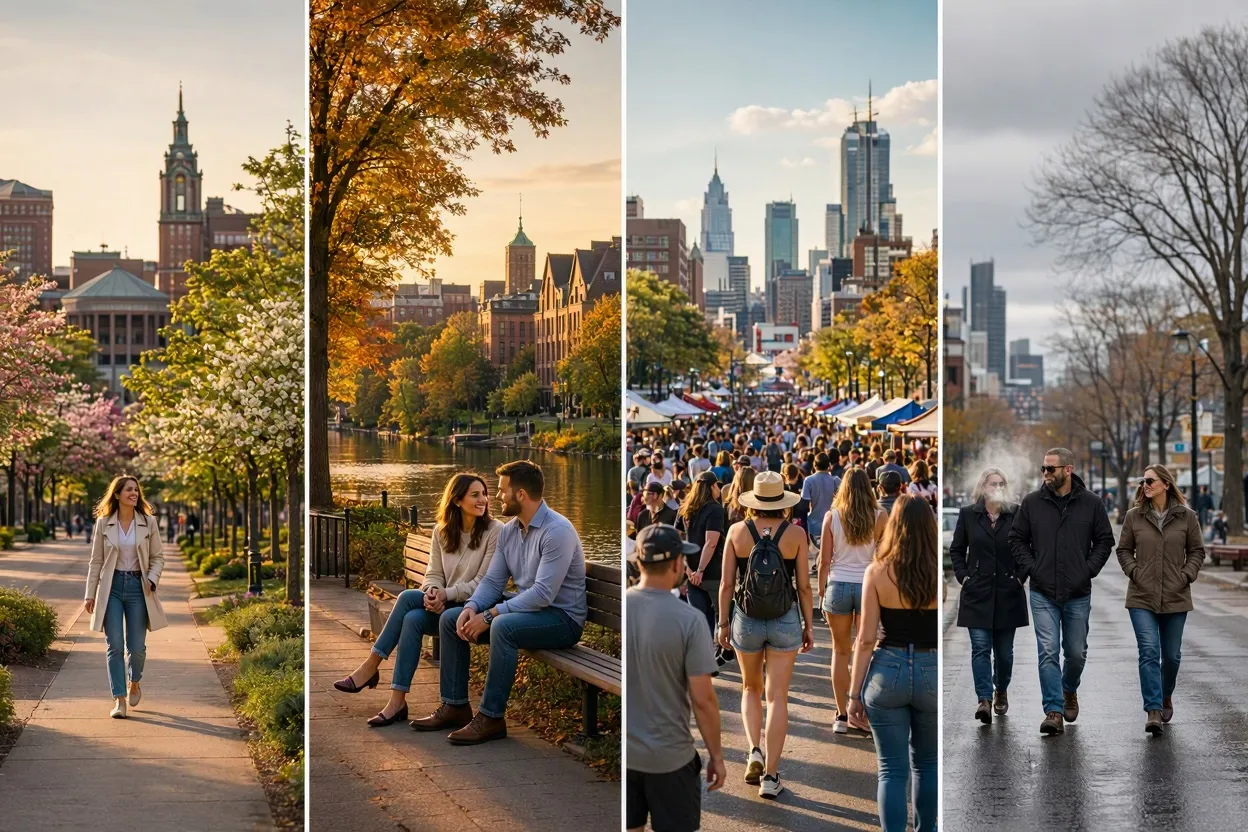
April, May, September and October are the best months to visit Nashville, when daytime highs sit in the 70s °F (21 to 26 °C). July brings humid highs near 89 °F (32 °C), and January highs drop to about 48 °F (9 °C). June gets crowded during CMA Fest, which pushes hotel rates up across downtown.
Visiting this fall or winter? Plan around these 4 dated events:
- Cheekwood Harvest: through November 1, 2026
- Boo at the Zoo: through November 1, 2026
- ICE! at Gaylord Opryland: November 6, 2026, to January 2, 2027
- CMA Awards: November 18, 2026
Conclusion
The best Nashville trips split time between Broadway’s music and the quieter city beyond it. Book the Grand Ole Opry and the Bluebird Cafe first, since those two sell out before anything else on this list. Spend mornings in museums like the Johnny Cash Museum, when crowds are thin. Save afternoons for Radnor Lake or a neighborhood such as East Nashville.
These 25 things to do in Nashville cover the must-do experiences for a first trip and enough hidden stops to justify a second. Prices and hours reflect October 2026. Confirm them on each venue’s site before you buy tickets, because seasonal schedules shift often. Planning your next city trip? Start with the best things to do in San Diego, from Balboa Park to La Jolla.